
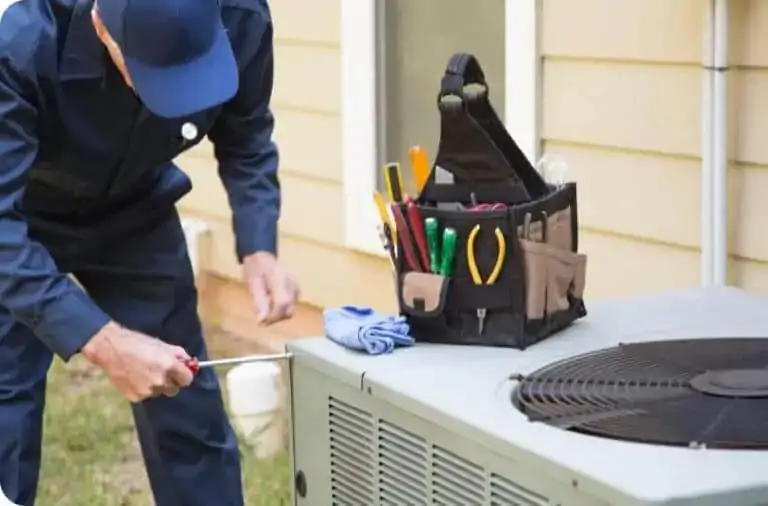
Warm air from your AC often signals refrigerant leaks, compressor failure, or clogged filters; you should check filters and thermostat, and call a licensed HVAC technician if the unit trips, makes grinding noises, or fails to cool within an hour to prevent system damage.
Key Takeaways:
- Common causes include low refrigerant, compressor failure, clogged filters or coils, thermostat faults, and duct or electrical issues; check the filter and thermostat before calling.
- Short cycling, frozen evaporator coils, tripped breakers, loud noises, or rising indoor humidity indicate the need for prompt professional repair.
- Call for service when simple fixes (filter change, breaker reset, thermostat replacement) don’t restore cooling, when the unit is 10-15+ years old, or when you suspect refrigerant leaks or compressor failure.
Thermostat Configuration and Calibration Errors
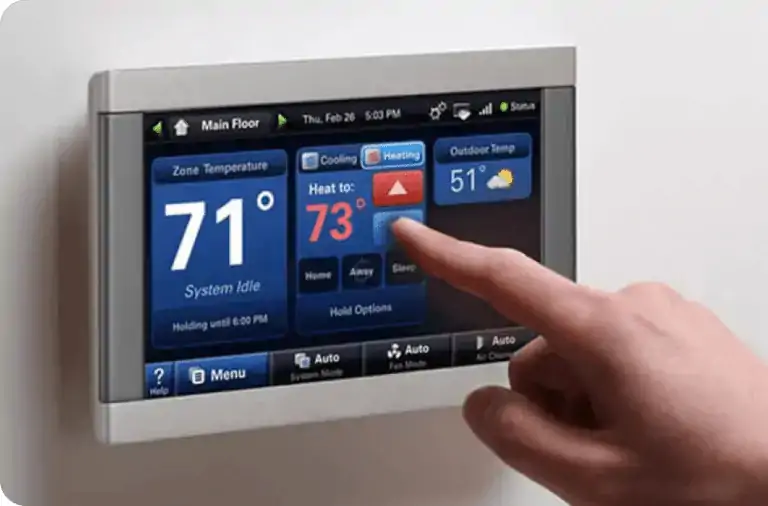
Thermostat miscalibration makes your AC blow warm air by reporting incorrect temperatures; you should verify the display against a room thermometer and seek professional calibration if readings differ by more than 2°F.
Verifying Correct Mode and Fan Settings
Check that your thermostat is set to Cool and the fan to Auto; wrong mode or constant fan operation can prevent the compressor from cycling and make the system feel warm.
Addressing Battery Depletion and Wiring Issues
Inspect batteries and replace weak cells promptly-low power can cause control errors-and avoid touching exposed wiring, since loose or damaged conductors create an electrical hazard.
When batteries die, your thermostat can lose programming and misreport temps, so replace cells annually and keep spares; always shut the breaker off before checking wiring, and call a licensed technician for any loose, frayed, or burnt wires that indicate a serious electrical fault and safety risk.
Airflow Obstructions and System Suffocation
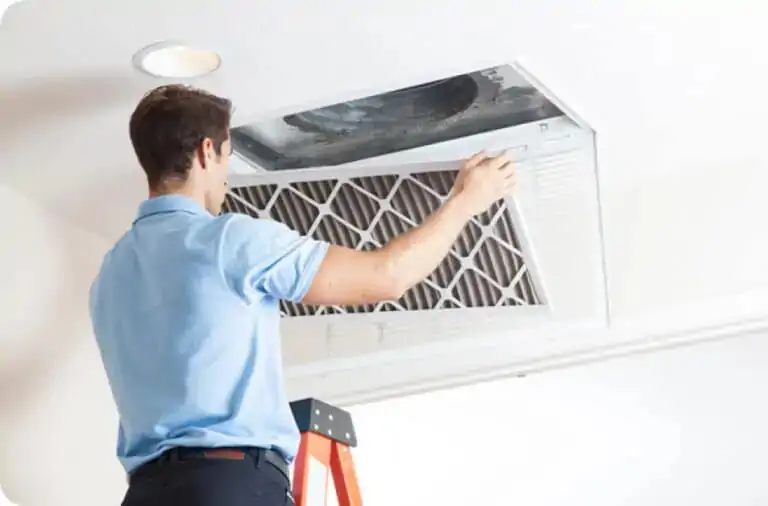
Airflow blockages make your AC work harder, raising coil temperatures and causing overheating or compressor damage if left unchecked; clear obstructions to restore cooling and efficiency.
The Impact of Clogged Air Filters on Cooling
Clogged filters restrict airflow, forcing your system to run longer and risking frozen evaporator coils and reduced comfort; swap disposable filters monthly during heavy use or clean reusable ones.
Clearing Blockages in Supply and Return Vents
Check supply and return vents for furniture, curtains, or pet hair; keeping grills unobstructed ensures steady airflow and prevents system strain and poor cooling.
If you suspect vents are blocked, turn off power to the unit, remove vent covers, vacuum debris, and clear behind grills of toys, pet beds, and insulation. Inspect return grills and accessible ducts for tears or heavy contamination; treat visible mold or persistent weak airflow as reasons to call a professional for safe repair.
Refrigerant Leaks and Evaporator Coil Issues
Refrigerant leaks or a fouled evaporator coil reduce heat transfer, causing your AC to blow warm air; ignoring a leak can lead to compressor damage. You should have a technician locate leaks and clean or replace coils to restore cooling.
Identifying Signs of Low Refrigerant Levels
You may notice weak airflow, warm air at vents, hissing near the outdoor unit, or icing on coils; these point to low refrigerant. If you see these signs, call a licensed technician-do not add refrigerant yourself.
Managing Frozen Coils and Ice Accumulation
Ice build-up on the evaporator coil blocks airflow and forces the system to produce warm air; you should turn off the unit and let ice melt, then schedule a service to address low refrigerant or restricted airflow.
After ice melts, you should check filters, return vents, and the blower for blockages-dirty filters or closed vents often cause coil freezing. Low charge, leaking lines, or a failing fan need professional diagnosis because running a frozen system risks compressor failure and higher repair bills.
Exterior Condenser Challenges in Shenandoah, LA
Your exterior condenser in Shenandoah faces high humidity, frequent debris, and salt or storm exposure that reduce airflow, raise system pressure, and can cause overheating and compressor failure, so you should monitor corrosion and schedule cleaning to restore efficiency.
Removing Local Debris and Vegetation Overgrowth
Leaves and brush can smother the condenser, cutting airflow and forcing the system to run hotter; you should keep at least 2 feet of clearance and remove piled debris promptly to avoid motor strain.
Cleaning Coil Fins for Optimal Heat Exchange
Coil fins bent or clogged by grime reduce heat transfer and make your AC blow warm; you can gently straighten fins with a fin comb or call a pro-avoid pressing hard to prevent further damage.
You should shut power at the disconnect before cleaning fins, because working live risks electric shock. Use a soft brush, appropriate coil cleaner, and a fin comb to straighten bent fins; rinse gently and never use a pressure washer, which causes permanent fin damage. If fins are heavily corroded or the unit still blows warm, call a technician to prevent compressor overload and restore cooling capacity.
Electrical Component and Compressor Failures
Electrical failures like blown capacitors or failing compressors often cause your AC to blow warm air and can create overheating and fire hazards. You should watch for frequent tripped breakers and burning smells; those are danger signs that require immediate attention.
Diagnosing Blown Capacitors and Tripped Breakers
Check the capacitor for bulging, leaking, or a hissing sound; breakers that trip repeatedly point to electrical shorts. If you see visible damage or the unit won’t restart, shut power and call a technician-handling capacitors yourself can be dangerous.
Recognizing Warning Signs of a Failing Compressor
Listen for grinding, clanking, or a humming compressor that doesn’t engage; rising system pressure and poor cooling often indicate compressor distress. You should treat strange noises and frequent cycling as signs to schedule service before the compressor seizes.
Heat exchange decline, frequent short cycling, and oil sludge can signal internal compressor wear or refrigerant contamination; you may see higher electric bills, warm output, and breakers tripping. If the compressor hums but won’t start or emits metallic grinding, avoid running the unit to prevent motor burnout. You should shut off power and call a licensed HVAC technician for diagnosis, repair, or safe replacement.
Determining When to Call a Licensed Professional
You should call a licensed professional when basic troubleshooting fails, the system cycles irregularly, or you suspect refrigerant leaks; a pro can diagnose compressor and refrigerant issues and ensure safe repairs.
Safety Risks of DIY Refrigerant and Electrical Work
Handling refrigerant or wiring yourself risks serious injury and legal penalties; you should leave these tasks to licensed technicians who carry proper tools and certifications.
Indicators for Immediate Emergency Repair Services
If you see smoke, smell burning, or your breaker trips repeatedly, call emergency repair-these signs indicate immediate danger and risk fire or electrical failure.
Persistent loud bangs, visible smoke, strong burning odors, refrigerant hissing, or oil stains under the unit mean you must power off the system and call emergency repair; these symptoms can indicate electrical short, compressor failure, or refrigerant leak that threaten fire, health, or major equipment damage, so avoid running the AC and contact a licensed emergency technician right away.
Final Words
When your AC is blowing warm air in Shenandoah, LA, the issue may be something simple like a clogged filter or incorrect thermostat setting, but it can also point to more serious problems such as a refrigerant leak, frozen coil, electrical failure, or compressor trouble. The key is acting early. Waiting too long can put more strain on the system, reduce comfort, and turn a smaller repair into a much more expensive one.
If basic checks do not restore cooling, or if you notice loud noises, rising humidity, repeated breaker trips, or ice on the system, it is time to bring in a professional. Fast diagnosis matters, especially during Louisiana heat, when AC problems can get worse quickly.
If you need dependable AC repair in Shenandoah, LA, ClimaServ Heating & Air Conditioning is ready to help. Our team can inspect the problem, identify the real cause of the warm air, and recommend the right repair to get your home comfortable again. Whether the issue involves airflow, refrigerant, electrical components, or a failing compressor, we provide professional service focused on reliable cooling and long-term performance.
For homeowners in Shenandoah and nearby areas, ClimaServ Heating & Air Conditioning is here to help keep your AC system running the way it should when the Louisiana heat is at its worst.
