
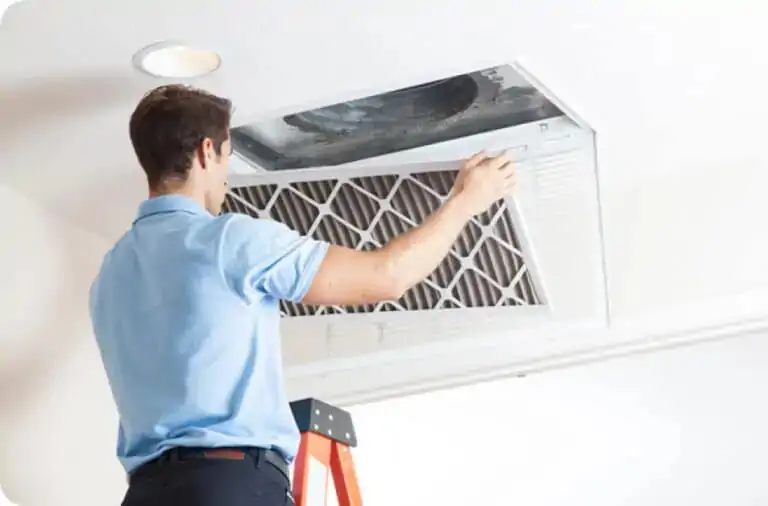
Many homeowners in Baton Rouge underestimate how skipping AC maintenance harms your unit; neglect increases wear, raises the risk of premature system failure and costly breakdowns, while routine servicing can extend your system’s lifespan, improve efficiency and cut bills in the region’s heat and humidity.
Key Takeaways:
- Skipping maintenance accelerates wear in Baton Rouge’s hot, humid climate-dirt buildup, refrigerant problems, and corrosion shorten component life and overall system lifespan.
- Neglected systems run less efficiently, raising energy costs and forcing compressors and fans to work harder, which increases the risk of major failures.
- Annual inspections, filter changes, coil cleaning, and timely repairs catch leaks and corrosion early, extending service life and reducing long-term repair expenses.
The Importance of Regular AC Maintenance
In Baton Rouge’s hot, humid months your system works much harder, and routine servicing keeps small faults from escalating. Technicians spotting low refrigerant, worn capacitors, or restricted airflow during annual or biannual visits can extend your unit’s life by preventing stress-induced failures and preserving performance under constant load.
Preventing Major Breakdowns
You avoid emergency replacements by catching issues early: clogged condensate drains, failing fan motors, and refrigerant leaks are common causes of mid-summer failures. Addressing them in service visits prevents compressor failure that can cost $1,500-$4,000, and reduces the chance you’ll face an urgent, costly repair during peak demand.
Enhancing System Efficiency
You restore lost efficiency by changing filters every 1-3 months, cleaning coils, and ensuring proper refrigerant charge; these actions often recover 10-30% of lost cooling performance, cutting runtime and lowering cooling strain on hot Baton Rouge days.
For more detail, focus on measurable steps: keep at least 2 feet of clearance around the condenser, schedule coil cleanings annually, and consider a programmable thermostat. Raising your setpoint by 1°F can save about 3% on cooling energy, and upgrading from a low-SEER unit to a high-SEER model may reduce cooling energy use by roughly a third, depending on your home and usage patterns.
Common AC Maintenance Mistakes
Small oversights add up: skipping filter swaps, avoiding professional tune-ups, running low on refrigerant, and letting condensate drains clog all accelerate wear and reduce efficiency. Technicians often link these errors to systems that consume 10-30% more energy and develop premature faults, so spotting and fixing them early limits expensive downstream repairs.
Ignoring Filter Changes
You should change or check filters every 1-3 months, and in Baton Rouge’s pollen and humidity peaks monthly is common. Clogged filters reduce airflow, forcing the blower to work harder and can increase energy use by an estimated 5-15%, while also raising the risk of frozen evaporator coils and compressor strain.
Neglecting Professional Inspections
Skipping annual or twice-yearly HVAC inspections means missed refrigerant leaks, loose electrical connections, and dirty coils that undermine performance. A trained technician checks pressures, temperatures, and safety controls so you avoid hidden problems that often become major repairs.
Technicians routinely find systems with undetected refrigerant loss and corroded electrical contacts that cut lifespan by years; in heavy-use climates like Baton Rouge that can translate to compressor failures sooner. Since compressor replacement often runs between $1,200-$3,000, investing in an annual or biannual inspection can preserve efficiency, prevent emergency breakdowns, and typically extend component life by several years.
Signs Your AC Needs Attention
If your energy bills climb while comfort drops, or you spot water pooling, ice on lines, or persistent cycling, those are clear signals you need service; read more at Why You Shouldn’t Skip Maintenance – Blog. In Baton Rouge’s heat and humidity, even a 10-20% drop in efficiency can mean your system is working harder and aging faster, so act on early warnings to avoid costly failures.
Unusual Noises and Odors
Squealing, grinding, or loud rattling often points to a failing blower motor, loose fan blades, or debris in the outdoor unit, while a persistent burning smell is an immediate red flag for an electrical fault-you should shut the system off and call a tech. Mildew or musty odors usually indicate a clogged drain or mold in the coil, which raises humidity and promotes corrosion.
Inefficient Cooling Performance
If your supply vents are only 4-8°F cooler than room air or rooms differ by more than 6-10°F, that suggests low refrigerant, dirty coils, or restricted airflow; a healthy split system typically shows a 16-20°F temperature drop across the evaporator. You’ll notice longer run times and higher bills-signs you need diagnostic service and targeted repairs.
In practice, a neglected condenser with fouled fins can raise condensing pressure by 10-30 psi, forcing the compressor to work harder and reducing capacity by up to 20-30%; for example, a Baton Rouge homeowner saw indoor temps stay 8°F higher and energy use jump 25% before a coil cleaning and refrigerant top-up restored normal performance. Routine checks-filter changes, coil cleanings, and refrigerant pressure tests-typically prevent these losses and extend system life by several years.
Long-Term Effects of Skipping Maintenance
Neglecting routine tune-ups accelerates wear on coils, compressors, and motors, and increases the risk of refrigerant leaks and electrical failures. In Baton Rouge’s hot, humid climate that extra strain shortens component life and raises repair frequency, turning what would be occasional service into yearly emergency fixes. Over a decade, those cumulative issues can convert a normally 15-20 year system into one that fails in 10-12 years, forcing a costly replacement sooner than you expect.
Decreased Lifespan of the System
With regular maintenance your system typically reaches 15-20 years; skip it and you often cut that by several years, frequently to 10-12. Corrosion from humidity, clogged coils that cause the compressor to overwork, and untreated refrigerant leaks are common failure paths. You face a higher chance of premature compressor burnout, which alone can cost $1,000-$3,000 to replace or push you toward full system replacement.
Higher Energy Costs
Dirty filters, fouled coils, and low refrigerant reduce efficiency by roughly 5-20%, depending on condition. If your summer cooling bill averages $200/month, a 10% efficiency loss adds about $20/month-around $240 extra per cooling season. Those extra dollars compound: over five years you could pay well over $1,000 in avoidable energy costs from poor maintenance.
Performance losses stem from specific failures: restricted airflow makes the blower work harder, while dirty evaporator coils reduce heat transfer and force longer run times. In real cases, a single dirty outdoor coil increased runtime by 30% for one Baton Rouge homeowner, jumping annual energy use by several hundred dollars. Scheduled coil cleaning, filter changes, and refrigerant checks typically recover much of that efficiency, turning small maintenance investments into long-term energy savings.
The Climate Factor in Baton Rouge
Baton Rouge’s long summers-average highs of 90-95°F and relative humidity often above 70%-force your AC to run far longer than in milder regions. That sustained operation increases motor and compressor wear, accelerates coil corrosion, and raises energy use. Skipping maintenance lets dirt and moisture buildup compound these stresses, making component failures far more likely during peak heat when you rely on cooling the most.
Humidity and Heat Impact
High humidity makes your system work harder to remove moisture, so it runs longer and cycles less efficiently; on humid peak days it may operate nearly continuously. When coils are dirty or airflow is restricted, you get higher indoor humidity, more mold growth, and greater risk of compressor failure. Timely coil cleaning and filter replacement directly reduce those hazards and improve dehumidification.
Year-Round Maintenance Needs
You should schedule at least two professional tune-ups yearly-spring before heavy cooling and fall for checks-and replace filters every 1-3 months. Technicians will verify refrigerant charge, clean condenser and evaporator coils, inspect electrical connections, and treat corrosion-prone areas. Emphasize filter changes and coil cleaning to prevent the most common failures.
Specifically, spring service should include condenser coil cleaning, refrigerant leak testing, fan and blower inspections, and airflow measurement; the off-season check can uncover duct leaks and insulation issues. Typical tune-up costs run about $75-$200 per visit, and consistent preventive care can add an estimated 2-5 years to your system’s life while reducing emergency repair frequency.
Cost-Benefit Analysis of Regular Maintenance
Paying for seasonal tune-ups – typically $75-$150 in Baton Rouge – buys coil cleanings, refrigerant checks, and lubrication. You’ll cut energy waste by an estimated 5-15%, reduce emergency repairs, and often avoid a premature replacement that can top $3,500. Local contractor case studies show routine service can extend system life by 2-5 years and save you roughly $300-$600 per year in combined energy and repair costs.
Short-Term Costs vs. Long-Term Savings
Spending $75-$150 annually on maintenance contrasts with a compressor replacement costing $1,200-$2,500 or a full system replacement >$3,000. You may pay $100-$200 for coil cleaning and filter service, or $200-$400 for a refrigerant recharge. Over a decade, those small fees often represent a 10x return by preventing major failures and lowering bills, so you’re trading modest, predictable costs for avoidance of large, unpredictable expenses.
Value of Professional Expertise
Certified technicians bring tools and training you can’t replicate: leak detectors, refrigerant gauges, and electrical meters to identify failing capacitors or unsafe wiring. They must hold EPA certification to handle refrigerants and can spot issues that invalidate warranties. By catching a refrigerant leak early or correcting improper voltage, you avoid >$1,000 in potential repairs and reduce the risk of electrical fires or compressor burnout.
For example, a Baton Rouge tech found a clogged condensate drain and a partially seized fan motor during a $120 tune-up; fixing the drain and lubricating the motor cost <$300 but prevented a compressor failure that would have exceeded $1,500. You gain documented service records that often preserve manufacturer warranties and boost resale value, turning one service visit into tangible, long-term savings.
To wrap up
Skipping AC maintenance really can shorten your system’s lifespan in Baton Rouge. Between extreme summer heat and persistent humidity, air conditioning systems here work harder and longer than in many regions. When routine AC maintenance is ignored, dirt buildup, refrigerant issues, corrosion, and restricted airflow accelerate wear on key components like the compressor and blower motor. Over time, that neglect turns into higher energy bills, more frequent breakdowns, and an AC system that may fail years earlier than expected.
Consistent air conditioning maintenance in Baton Rouge is one of the simplest ways to protect your investment. Regular tune-ups, filter changes, coil cleanings, and professional inspections help your system run efficiently, maintain proper humidity control, and avoid costly emergency AC repairs. In most cases, spending a small amount on preventive HVAC maintenance adds years to system life and saves hundreds or even thousands of dollars in avoided repairs and energy waste.
If you want to keep your home comfortable and avoid premature AC replacement, ClimaServ Heating & Air Conditioning is here to help. Our local technicians understand Baton Rouge’s climate challenges and provide reliable AC maintenance, AC repair, and full HVAC service tailored to South Louisiana homes. Schedule your AC tune-up today and let ClimaServ help you extend your system’s lifespan, lower cooling costs, and stay comfortable through every Louisiana heat wave.
FAQ
Q: Can skipping AC maintenance really shorten system lifespan in Baton Rouge?
A: Yes. Baton Rouge’s hot, humid climate and frequent use put extra strain on air-conditioning systems; skipping routine maintenance allows dirt, debris, and moisture to accumulate on coils and in filters, which reduces airflow and heat transfer. That forces the compressor and fan motors to run longer and harder, increasing wear and the chance of premature failure. Corrosion from humidity and occasional salt-laden air can accelerate component degradation if not inspected and treated. Regular maintenance addresses refrigerant leaks, electrical connections, lubrication, condensate drainage, and coil cleaning-preventing the common failure modes that most shorten lifespan.
Q: How often should AC maintenance be performed in Baton Rouge and what should it include?
A: For Baton Rouge conditions, a professional tune-up at least once a year before the cooling season is recommended, with many technicians advising biannual checks (pre-summer and post-season). A proper service visit should include: replacing or cleaning filters, cleaning evaporator and condenser coils, checking refrigerant charge and sealing leaks, inspecting and tightening electrical connections, testing capacitors and contactors, lubricating motors and bearings as needed, clearing and testing condensate drains and pans, checking thermostat calibration, and inspecting ductwork and insulation for leaks or mold. Homeowners should change disposable filters every 1-3 months during peak use.
Q: What signs indicate skipped maintenance has already shortened my AC’s life, and what should I do next?
A: Warning signs include steadily rising energy bills without increased cooling demand, reduced cooling capacity, long or frequent on/off cycles, ice forming on coils, unusual noises or burning smells, visible rust or corrosion, persistent water leaks, and repeated component failures. If you notice these, schedule a professional diagnostic immediately. Short-term steps include replacing filters, clearing the condensate drain, and restoring proper airflow. For repairs, weigh the unit’s age and repair cost: if the system is over about 10-12 years old or a major component like the compressor needs replacement costing a large fraction of a new system, replacement is often the more cost-effective and reliable option in Baton Rouge’s demanding climate.
