
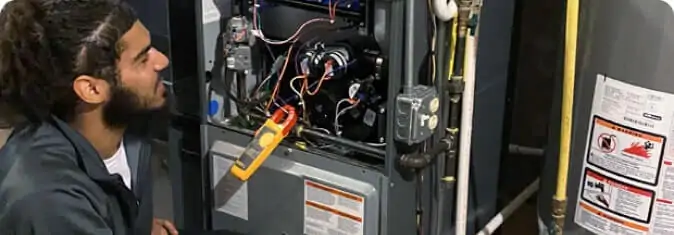
Most people who choose low-cost heat pump repairs in Addis, LA find that quick fixes lead to larger bills and safety risks; when you accept patchwork parts or inexperienced labor you risk system failure, higher energy bills, and potentially dangerous refrigerant leaks, while investing in proper diagnostics and certified technicians delivers longer equipment life and lower operating costs. You should prioritize quality service to protect your comfort, safety, and wallet.
Key Takeaways:
- Cheap fixes often skip proper diagnostics and use substandard parts, leading to repeat failures (failed compressors, refrigerant leaks) that cost far more to fully repair in Addis, LA’s humid climate.
- Unlicensed or uninsured technicians may void manufacturer warranties and fail to meet local codes, creating safety hazards and potential fines that outstrip initial savings.
- Low-cost repairs can leave systems running inefficiently-raising energy bills and accelerating wear-so hire a licensed local HVAC provider who provides written estimates, parts warranties, and proper refrigerant handling.
Understanding Heat Pumps
You rely on a heat pump to both heat and cool your home by moving heat with a compressor and refrigerant; air-source units, the most common in Addis, typically achieve SEER ratings from 14-20 and HSPF around 8-10, while ground-source systems reach higher COP values above 3, meaning lower energy bills when the system is properly installed and maintained.
What Are Heat Pumps?
You depend on a system that moves heat instead of generating it: a compressor, refrigerant loop, evaporator, condenser and reversing valve let your unit produce heating or cooling on demand. Air-source models dominate in Louisiana, delivering 2-4× the efficiency of electric resistance heat and offering year-round comfort with fewer operating hours when sized correctly.
Common Issues with Heat Pumps
You’ll see failures like refrigerant leaks, iced outdoor coils, worn capacitors and failing compressors; dirty filters and restricted airflow drop efficiency by 10-30%. Simple fixes such as thermostat calibration or contactor replacement often cost $100-$300, while compressor replacement can run $1,500-$3,500, so misdiagnosis or cheap patchwork often raises lifetime costs.
You often pay more when a technician merely tops off refrigerant without fixing the leak or replaces a contactor while ignoring blocked condensate drains; topping off masks low charge and raises compressor current, leading to premature failure within months. In typical cases you could face repeated $150-$400 service calls until a failed compressor forces a $1,500-$3,500 replacement, and DIY fixes frequently void warranties, shifting full replacement cost onto you.
The Allure of Cheap Repairs
You spot flyers and online deals promising $49 diagnostics or flat-rate fixes, and you want the fastest, cheapest way to get your system running before a heat spike. Contractors market quick parts swaps that restore operation within hours, saving you time and anxiety, but those low prices often skip full diagnostics, leaving underlying issues untreated and increasing the chance you’ll call again within weeks.
Initial Cost Savings
You can save $50-$150 immediately with couponed capacitor or contactor swaps versus typical authorized-service diagnostics of $150-$300. Quick fixes also cut labor time: a one-hour call instead of a full 2-3 hour diagnostic. For short-term needs-like restoring cooling before guests arrive-that immediate savings and speed feel reasonable and tangible.
Risks of Low-Cost Solutions
You often get a patched symptom rather than a root fix: a cheap capacitor swap for $80-$120 can mask a refrigerant leak or failing compressor, escalating to a $2,000-$3,500 compressor replacement or full unit swap if left unchecked. Unauthorized parts or unlicensed labor can also void your manufacturer’s warranty, leaving you to cover major costs.
In practice, you may face repeated callbacks and higher cumulative costs-studies and field reports show repeat service frequency can double when initial work skips leak testing, airflow checks, or electrical diagnostics. For example, paying $95 for a band-aid fix that ignores a low refrigerant charge can turn into a $3,000 repair within months; if your unit is under a conditional warranty, improper repairs can remove that safety net, forcing you to finance a full replacement.
Long-Term Costs of Poor Repairs
Patching a worn valve or skipping a full diagnostic may save you $50 now but often creates larger problems down the road; inefficient systems can use 15-30% more energy and fail sooner. Technicians in Addis report repeat callbacks that push total repair bills from tens to hundreds or thousands of dollars; when cheap fixes fail you end up needing proper service like Heat Pump Repair Services.
Increased Energy Bills
When refrigerant is improperly charged or airflow is restricted, your heat pump’s coefficient of performance drops and you pay more; systems with issues commonly raise costs by 15-25%. On a typical Louisiana electric bill of $150-$300 monthly, that difference can be $22-$75 each month, adding up to $260-$900 annually while the underlying fault remains unaddressed.
Frequent Breakdowns
Short cycling, failed capacitors, and loose electrical connections are common after botched repairs, and they drive repeated calls; you may face two to four service visits a year instead of one. Compressor failures alone can cost between $800-$2,500, and emergency weekend rates often add another $100-$250 per visit.
You’ll notice symptoms like rapid cycling, uneven temperatures across rooms, frozen coils, or tripped breakers; these signs signal accelerated wear and often point to misdiagnosed thermostat or refrigerant problems. For example, a local homeowner who accepted a $45 capacitor swap experienced three subsequent compressor failures within 18 months, totaling roughly $2,400 in replacements and labor. Preventing that pattern requires a full diagnostic, proper refrigerant recovery, and correct electrical torque values-services that usually add $150-$400 to the initial repair but can extend system life by several years and save you thousands over a unit’s lifetime.
Choosing the Right Repair Services
You should prioritize technicians who combine licensure, insurance, and brand authorization with clear, written warranties; for example, ask for NATE certification and proof of manufacturer authorization for Trane or Carrier work. Get at least three written estimates, note if a company charges a diagnostic fee (commonly $75-$150), and avoid suppliers offering a <$100 flat fix without system testing-those no-diagnostics deals often lead to repeat failures and higher total costs.
Credentials and Experience
Verify the contractor’s state registration and general liability coverage, then confirm heat pump-specific experience-ask how many inverter or minisplit systems they service annually. Prefer techs with 5+ years working on heat pumps and those authorized by manufacturers; an unnecessary compressor replacement can cost $2,000-$4,000, whereas proper diagnostics and a targeted repair often run under $900, so experience directly affects your bill.
Assessing Customer Reviews
Scan Google, Yelp, and the BBB for at least 20 reviews, focusing on recent entries about heat pump repairs, response times, and whether fixes lasted beyond six months; prioritize companies with consistent mentions of punctuality, clear invoices, and honoring warranties. Red flags include multiple reports of repeat visits for the same issue or unresolved BBB complaints-those patterns predict ongoing expenses.
Dig deeper by checking how the company replies to negative feedback: you want prompt, solution-oriented responses and evidence of refunds or rework when warranted. Ask the contractor for recent local references you can call, and compare reviewer details (dates, model numbers, parts used); if roughly 30% of complaints mention short-lived repairs within six months, treat that as a strong warning to move on.
Preventative Maintenance Strategies
Schedule at least two professional checkups yearly-spring and fall-and perform monthly quick checks yourself to catch wear before it becomes a breakdown. Change filters every 1-3 months, keep a 2-foot (24 in.) clearance around the outdoor unit, and clean coils annually; neglect can drop efficiency by up to 30% and accelerate compressor failure. You should track service dates and any odd noises or higher bills to spot trends that signal a failing component.
Routine Inspections
During inspections verify refrigerant pressure, test the thermostat accuracy, and inspect capacitors, contactors, and wiring for swelling or corrosion. You should expect a normal cooling delta-T of about 14-20°F; deviations suggest airflow or refrigerant issues. Catching a leaking line or a bulging capacitor early prevents the danger of compressor burnout and costly emergency replacements.
Cleaning and Upkeep
Replace pleated filters every 1-3 months, vacuum around the cabinet, and remove leaves and grass from the condenser; restricted airflow raises head pressure and shortens system life. Clean evaporator and condenser coils at least annually-dirty coils limit heat transfer and can force the unit to run longer, raising energy use and wear.
For coil cleaning, shut power at the breaker, brush fins gently, and use a no-rinse coil cleaner or a soft-bristled vacuum attachment; straighten bent fins with a fin comb. You should not attempt refrigerant repairs or electrical fixes yourself-if you see oil stains, ice buildup, or persistent tripping, call a licensed tech to avoid electrocution or refrigerant hazards and to preserve your warranty and system lifespan.
Alternatives to Repairing Heat Pumps
When your unit fails, you can weigh targeted fixes against full-system changes: if a repair tops 50% of replacement cost or the unit is over 12 years old, replacement often saves money long-term. You should also consider mini-splits for zoned control, duct sealing and insulation to fix delivery losses, or a hybrid setup pairing a heat pump with a gas furnace for cold snaps in Louisiana winters.
Replacement Options
You can replace like-for-like, upgrade to a high-efficiency air-source heat pump (look for SEER 16+ and HSPF2 ~8.5+), switch to ductless mini-splits for room-level comfort, or install a dual-fuel system. Typical installed costs run about $4,000-$10,000 depending on capacity and ductwork, and local or federal rebates can reduce out-of-pocket by $1,000-$2,000.
Energy Efficiency Considerations
Efficiency affects your monthly bills and system longevity: modern inverter-driven units deliver higher seasonal performance and better humidity control, often cutting energy use by 20-40% versus decade-old models in Louisiana’s hot, humid climate. You must size correctly-oversized equipment short-cycles and reduces savings-so insist on load calculations and variable-speed compressors for the best results.
Digging deeper, target equipment with SEER 16-20 and higher HSPF2 ratings for year-round savings; look for units with a steady COP of 3.0+ in mild conditions and variable-speed systems that maintain efficiency at partial loads. You should factor lifecycle cost: a $6,500 install that saves 30% on a $200 monthly energy bill pays back in roughly 6-8 years after rebates, plus you’ll get better humidity control and fewer compressor cycles.
To wrap up
Choosing cheap heat pump repairs in Addis, LA often feels like a smart short-term fix, but in many cases it leads to higher long-term costs, repeat breakdowns, and safety risks. Low-cost repairs frequently skip proper diagnostics, rely on substandard parts, or ignore underlying issues like refrigerant leaks, airflow problems, or electrical faults. In a hot, humid climate like Addis, those shortcuts accelerate wear, raise energy bills, and can quickly turn a small issue into a compressor failure or full system replacement.
The smarter approach is to focus on value, not just price. Professional heat pump repair that includes full diagnostics, licensed workmanship, correct refrigerant handling, and written warranties helps protect your equipment, your home, and your budget. Investing a little more upfront often prevents thousands of dollars in avoidable repairs, preserves manufacturer warranties, and keeps your system running efficiently through Louisiana’s long cooling seasons.
If you want to avoid repeat failures and get dependable results, trust ClimaServ Heating & Air Conditioning for heat pump repair in Addis, LA. Our licensed technicians provide honest diagnostics, quality parts, and repairs done right the first time. Contact ClimaServ today to schedule expert heat pump service and protect your comfort from costly shortcuts.
