
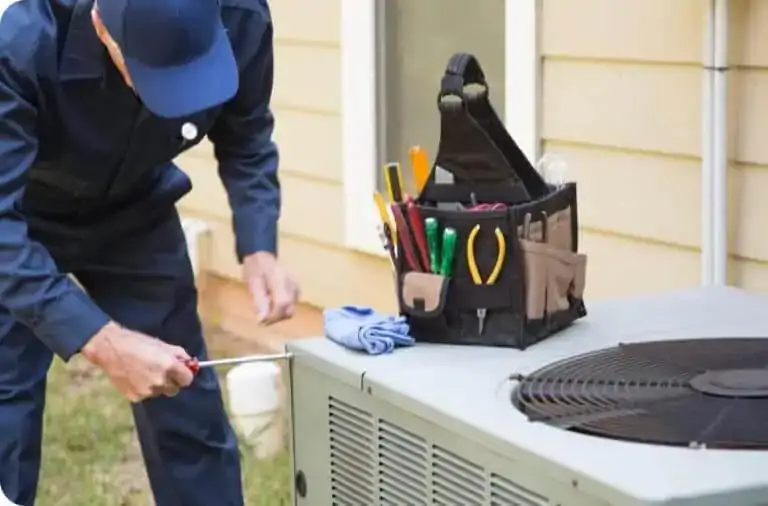
AC noises in Shenandoah, LA warn you of problems from rattling panels to dangerous compressor failure; prioritize compressor and refrigerant repairs, while many issues resolve with simple fan or panel fixes you can schedule quickly.
Key Takeaways:
- Common AC noises and their likely causes: rattling – loose panels or fan blades; grinding – failing motor bearings or compressor problems; squealing – worn belts; banging – loose parts or duct expansion; hissing – refrigerant leak.
- Prioritize repairs that affect safety and system longevity: address refrigerant leaks and motor/compressor issues immediately with a licensed technician, while tightening components, replacing belts, and cleaning coils or drain lines prevents escalation.
- Local conditions in Shenandoah, LA – high humidity and salt air exposure – accelerate corrosion and clogging, so schedule annual professional maintenance and change filters regularly to reduce noise and avoid costly failures.
High-Pitched Squealing and Screeching
Squeals and high screeches often point to worn belts, failing bearings, or refrigerant pressure problems; you should address them quickly to avoid compressor damage or reduced efficiency.
Worn Fan Belts and Bearing Friction
Belts that squeal usually mean slack or frayed material; you can stop the noise with a belt replacement, and replacing bearings if friction remains prevents motor overheating.
Dangerous High Internal Pressure Warnings
Pressure spikes produce high-pitched warnings that signal blocked airflow or overcharged refrigerant; if you hear this, turn off the unit and call a technician to avoid system rupture.
Blocked coils or a faulty expansion valve raise internal pressure, stressing the compressor and risking leaks; you should have a pro inspect pressures and recover refrigerant safely rather than continuing operation.
Rattling, Banging, and Clanking
Rattling, banging and clanking usually mean loose parts or motor trouble; you should turn off the system if sounds intensify and schedule service to avoid larger damage.
Loose Components and Debris in the Housing
Metal rattles or debris striking the cabinet often point to loose panels, fan blades or foreign objects; you must shut off the unit and clear debris or call a technician to prevent fan damage or electrical shorts.
Signs of a Failing Compressor Assembly
Grinding, deep bangs or a humming that changes with load can indicate a failing compressor; you should stop using the AC and call a licensed tech because compressor failure often requires costly replacement.
If the compressor is failing, you may notice higher bills, cooling lag and a unit that won’t restart; these signs signal imminent system shutdown, so you should power down and arrange prompt repair or replacement to protect your home and avoid refrigerant leaks.
Persistent Hissing and Whistling
Hissing often signals pressurized refrigerant escaping or air forced through small gaps; you should treat persistent noise as a sign of refrigerant leaks or failing valves and call a technician before performance drops or damage occurs.
Identifying Refrigerant Line Leaks
Refrigerant lines that hiss usually leak where fittings or insulation fail; you may see oily residue or feel reduced cooling. Leaks lower efficiency and can harm the compressor, so you must get professional repair and safe refrigerant recovery.
Internal Valve Failures and Ductwork Gaps
Valve malfunctions and ductwork gaps produce whistling or intermittent hisses; you should inspect registers and access panels for airflow leaks. Persistent valve issues can stress the compressor, so a trained tech should test and replace faulty components.
Check for oil stains on lines near valves and listen at the cabinet while the system runs to pinpoint hissing sources. If you detect gaps at seams or loose register screws, seal or fasten them to reduce whistling and energy loss. Never attempt refrigerant repair yourself; have a licensed technician test pressures and replace failing valves to avoid compressor failure.
Electrical Buzzing and Humming
Buzzing or humming from your unit often signals electrical strain-shut the system down if you smell burning and call a technician, since persistent noise can point to arcing, worn components, or loose connections that pose an electrical hazard.
Faulty Contactors and Capacitor Issues
Capacitors and contactors failing cause a loud click or continuous buzz; you may notice the compressor struggling. A bad capacitor is often a quick replacement, but a failing contactor can lead to motor damage if ignored-have a pro test voltages and replace parts promptly.
Loose Wiring and Motor Vibration
Wiring that rubs or a vibrating motor creates rattles and intermittent buzzing; you should turn power off and inspect, because loose connections can cause arcing and fire risk-tightening or mounting fixes often restore quiet operation.
When you trace vibration, inspect mounting bolts, motor bearings, and wire routing; loose mounts amplify normal noise and wear insulation. If you see frayed insulation or smell burning, cut power immediately and call a technician-those signs signal an imminent electrical failure or fire. Securing mounts, replacing bearings, and retightening connections are usually simple repairs that restore quiet, reliable operation.
Rapid Clicking and Ticking
Rapid clicking usually signals intermittent contact inside the unit; you should check for loose panels or debris near the fan, and if noise persists, turn the thermostat off and cut power to prevent damage until a technician inspects it.
Obstructions in the Blower Fan Path
Debris lodged in the blower fan will create ticking as blades hit obstructions; you should power down the system before removing foreign objects, because broken blades can unbalance the motor and increase repair costs.
Electrical Relay and Control Board Malfunctions
Relays failing or control boards cycling can produce rapid clicking; you should disconnect power immediately and call a licensed technician, since electrical faults risk further component damage or fire.
Circuit boards and relays age, corrode, or suffer heat damage, causing intermittent contact and erratic clicks; you should note any error codes or flashing LEDs and avoid running the system, because persistent arcing raises fire risk and usually means the control board or relay must be professionally tested and replaced.
Prioritizing Repairs: Essential vs. Cosmetic
You should prioritize fixes that stop dangerous failures and prevent costly replacements; cosmetic issues can wait if the system runs safely, but address anything causing smoke, leaks, or grinding immediately.
Critical Noises Requiring Immediate System Shutdown
Screeching or loud grinding means you must power off the unit and call a technician; these dangerous sounds often indicate motor, bearing, or compressor failure that can cause fire or major damage.
Navigating Shenandoah’s Humidity and Component Longevity
High humidity in Shenandoah accelerates corrosion and electrical issues; you should keep condensate lines clear, change filters regularly, and schedule inspections more often to protect components.
Because Shenandoah’s air stays muggy for months, you need to inspect coil fins, drain pans, and control boards each season. Moisture accelerates capacitor and motor corrosion, so proactively replacing weakened parts and installing a condensate safety switch can prevent costly failures and keep your system cooling reliably.
Conclusion
Strange AC noises in Shenandoah, LA are rarely something to ignore. Sounds like rattling, squealing, hissing, or grinding often signal underlying issues such as loose components, refrigerant leaks, failing motors, or compressor trouble. While some noises may come from simple problems like loose panels or debris in the unit, others can indicate serious mechanical or electrical failures that require immediate attention.
Addressing these warning signs early can help prevent larger system damage, reduce repair costs, and keep your home comfortable during Louisiana’s hottest months. If unusual noises continue after basic checks, or if you hear loud grinding, buzzing, or repeated clicking, it’s best to have a professional inspect the system before the issue worsens.
If your system is making unusual sounds, ClimaServ Heating & Air Conditioning provides trusted AC repair in Shenandoah, LA to quickly diagnose and fix the problem. Our experienced HVAC Contractor can identify whether the noise is coming from the compressor, fan motor, refrigerant lines, or electrical components and recommend the right repair to restore quiet, reliable cooling.
For homeowners in Shenandoah and nearby Baton Rouge communities, ClimaServ Heating & Air Conditioning is ready to help keep your AC system running safely and efficiently, even during Louisiana’s intense heat and humidity.
